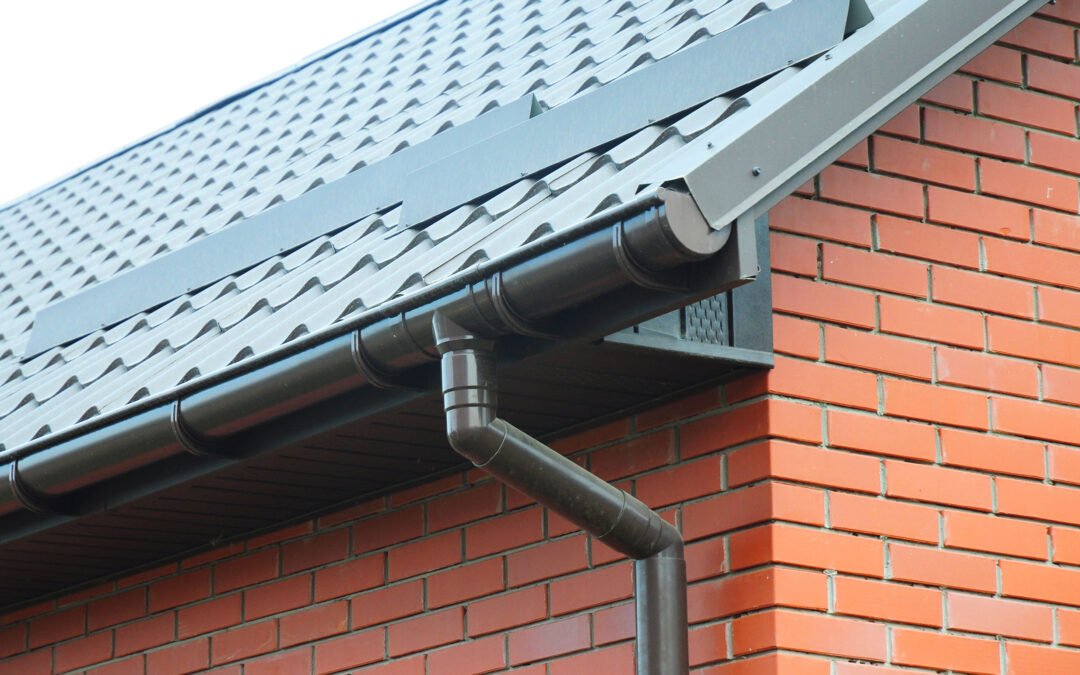
When it comes to ensuring the safety and longevity of residential homes, the choice of roofing material plays a crucial role. Metal roofing stands out as a superior option that offers a range of protective benefits. This article will delve into the numerous advantages of metal roofing, examining its durability, energy efficiency, fire resistance, environmental impact, aesthetic appeal, and noise reduction capabilities.
Durability and Longevity
Resistance to Elements
Metal roofs are renowned for their exceptional resistance to the elements. They are designed to withstand extreme weather conditions, such as hail, strong winds, and heavy rain. In fact, the robustness of metal roofing is a significant reason why homeowners favor this material in areas prone to harsh weather. According to Roof Link, over 22% of residential roof replacements result from storm-related damage, emphasizing the importance of durable roofing solutions. Metal roofs provide peace of mind by significantly reducing the chances of weather-induced repairs.
One of the primary reasons for the resilience of metal roofs is the high-quality materials and coatings used. These materials are specifically engineered to prevent damage from weather elements like hail and wind. The interlocking design and secure fastening systems further enhance the roof’s ability to withstand severe weather events. This exceptional endurance ensures that metal roofs remain intact and functional even under extreme conditions. As a result, homeowners can experience fewer disruptions and damage-related expenses.
Beyond protection from weather, metal roofs also offer impressive longevity. Unlike traditional roofing materials such as asphalt, tile, or wood, metal roofs have a significantly longer lifespan. While asphalt roofs may need replacing every 15 to 20 years, metal roofs can last 50 years or more with proper maintenance. Additionally, the non-permeable nature of metal effectively resists water penetration, maintaining the roof’s integrity over time. This longevity aspect not only saves homeowners from frequent replacements but also contributes to the overall sustainability of the home.
Corrosion and Rust Prevention
One of the main concerns with metal roofs might be the potential for corrosion or rust. However, modern advancements in roofing technology have largely mitigated these concerns. Many metal roofs are coated with protective layers like galvanized zinc or aluminum, which act as a barrier against rust and corrosion. These coatings ensure that metal roofs maintain their structural integrity, even when exposed to moisture and environmental pollutants. Homeowners can therefore enjoy both the aesthetic appeal and functional benefits of a rust-free roof for many years.
In situations where physical damage occurs, such as minor dents or scratches, the protective coating can help minimize the impact. This capability is particularly beneficial in extending the lifespan of the roof, as it prevents surface damage from escalating to deeper layers of the material. Furthermore, ongoing innovations in coating technologies continue to improve the resilience of metal roofs. For instance, some coatings provide enhanced resistance against UV damage, preserving the roof’s color and finish over time. These preventive measures collectively contribute to enduring roof performance.
Longevity Compared to Other Materials
As a roofing material, metal significantly outlives its traditional counterparts. Asphalt shingles, a popular choice, often succumb to wear and tear within 15 to 20 years. In contrast, we’ve found that metal roofs typically boast a lifespan of 50 years or more, depending on environmental factors and maintenance practices. Tile roofs, while durable, are vulnerable to breakage under impact, a concern not typically associated with metal roofing. Additionally, wooden shingles are susceptible to rot and pest infestations, issues wholly absent in metal alternatives.
The enduring nature of metal roofs is attributable to their composition and design. Metals like aluminum, steel, and copper naturally resist environmental degradation. Their non-combustible properties, along with advanced coating technologies, further safeguard these materials against decay. Consequently, homeowners benefit from fewer replacements and repairs, translating into substantial cost savings over time. Investing in metal roofing is not merely a decision for the present; it is a commitment to decades of security and performance.
Energy Efficiency and Cost Savings
Reflective Properties
Metal roofing is renowned for its exceptional energy efficiency, primarily due to its reflective properties. Metal roofs reflect the majority of solar radiant heat, which helps significantly reduce cooling costs during the hotter months. This characteristic makes metal roofs particularly popular in regions with high sun exposure. By minimizing heat absorption, these roofs maintain cooler indoor temperatures, leading to situations where air conditioning system demand is notably decreased. Consequently, households realize substantial savings on energy bills, underscoring the financial viability of metal roofing.
Reflective coatings play an integral role in enhancing the performance of metal roofs. Advanced pigments are often applied to the surface, contributing to a roof’s ability to deflect UV rays. Not only do these coatings facilitate thermal regulation, but they also prolong the lifespan of the roofing by mitigating damage from excessive sun exposure. Such properties create an environment conducive to long-lasting performance and efficiency. This investment in an energy-efficient roofing solution aligns seamlessly with modern advancements in sustainable building solutions.
The impact of reflective roofing transcends individual homes, with potential contributions to wider energy conservation efforts. The cumulative effect of reduced energy consumption across multiple homes can translate into lower demand for electricity, positively affecting local energy grids. Additionally, during peak cooling periods, reflective roofing can alleviate pressure on available power resources, averting costly infrastructure expansions. Embracing such reflective properties reflects a holistic approach to energy management, harmonizing personal benefits with communal gains.
Thermal Break Technology
Thermal break technology is an innovative solution that further underscores the energy efficiency of metal roofing systems. This technique incorporates insulating layers that separate the metal roof panels from the rest of the structure, minimizing conductive heat transfer. As a result, the overall thermal performance of the home significantly improves, offering additional energy savings. The inclusion of thermal breaks addresses potential heat gain challenges by effectively creating a barrier between outdoor weather conditions and internal home temperatures. Homeowners thus experience enhanced indoor comfort without over-reliance on heating or cooling systems.
This technology also supports the structural integrity of the metal roof by mitigating the risks associated with expansion and contraction due to temperature variations. By minimizing temperature-induced stress, thermal breaks preserve the long-term stability and performance of the roofing components. Furthermore, the adaptability of thermal break systems to diverse architectural designs allows them to complement a wide range of building types. This versatile technology meets contemporary energy policies, fostering both current and future architectural advancements in energy savings.
Insulation Compatibility
The synergy of metal roofing and insulation techniques enhances the energy efficiency and comfort of modern homes. Metal roofs offer superior compatibility with a variety of insulation materials, effectively reducing overall energy consumption. Effective integration ensures insulation maintains its thermal resistance capabilities, regardless of temperature fluctuations encountered by the metal surface. Furthermore, strategic insulation methods contribute to a comprehensive approach toward energy efficiency, harnessing both reflective and thermal break advantages.
Insulation beneath metal roofs acts as an additional thermal barrier that reinforces temperature buffering capabilities. Proper installation and material selection, such as rigid foam or synthetic wool, maximize the potential benefits of both insulation and roofing components. Through this integration, properties achieve optimized temperature regulation and moisture management, improving indoor air quality. This collaborative relationship fosters conditions where both comfort levels and energy costs remain stable throughout the year.
Overall, metal roofing offers homeowners a durable and energy-efficient solution that can provide reliable protection for decades. Its resistance to harsh weather, corrosion, fire, and environmental wear, combined with its reflective properties and insulation compatibility, makes it a practical investment. With proper installation and maintenance, metal roofing can enhance home comfort, reduce long-term costs, and provide lasting peace of mind. For more information about metal roofing, contact Carolina Professional Roofing today.