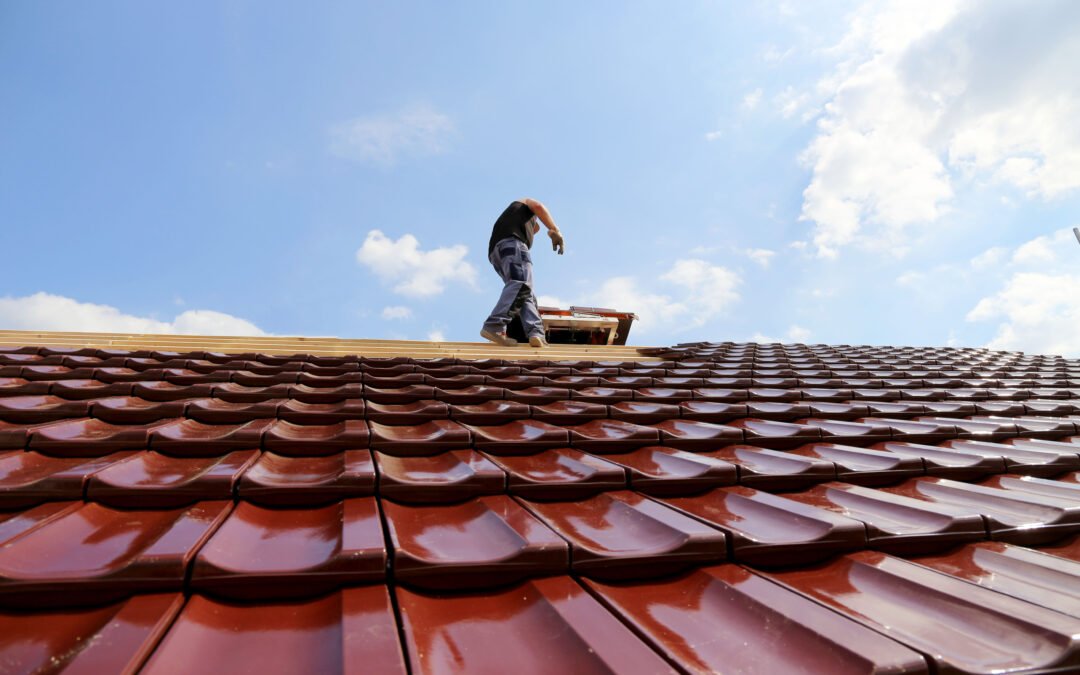
Replacing a roof is one of the most significant projects homeowners can undertake to protect their property and maintain its value. While many people understand the importance of investing in a quality roofing system, they are often unsure about how long the process will actually take. The timeline for a roofing project can vary considerably based on several factors that influence everything from preparation to final cleanup. Understanding these variables can help homeowners set realistic expectations and prepare for the work ahead. A well-planned project minimizes disruptions while ensuring the finished roof performs as intended for years to come. Communication between homeowners and contractors also plays an important role in keeping the process on schedule. Knowing what contributes to project timelines can reduce uncertainty and make decision-making easier. Learning more about roof replacements allows property owners to approach the process with confidence and peace of mind.
Evaluating the Size of the Roofing Project
The overall size of a home is one of the most obvious factors affecting how long a roofing project will take. Larger roofs require additional labor, materials, and time to complete each phase of installation. A small single-story home generally presents fewer challenges than a sprawling residence with extensive square footage. More roofing sections mean crews must spend additional time removing old materials and installing new components. Cleanup efforts also tend to increase as the project’s footprint expands. Homeowners should understand that a larger roof does not necessarily indicate problems but does require greater coordination. Proper planning ensures that crews can work efficiently while maintaining attention to detail throughout the process. The scope of roof replacements often directly influences the amount of time needed to achieve quality results.
Considering the Complexity of Roof Design
Not all roofs are designed the same way, and architectural complexity can significantly affect project duration. Simple rooflines with minimal angles are often more straightforward to work on than elaborate designs featuring multiple peaks and valleys. Features such as dormers, skylights, chimneys, and intersecting sections require careful attention during installation. Additional flashing and precision work may be necessary to ensure these areas remain watertight. Complex layouts also demand more movement and coordination from roofing crews. Safety considerations may further influence the pace of work in intricate areas. Although these details require additional time, they contribute to the overall integrity and appearance of the finished product. Homeowners considering roof replacements should recognize that unique architectural elements often extend project timelines.
Accounting for Roofing Material Selection
The type of material chosen for a new roof plays a major role in determining installation time. Different products involve varying preparation methods, fastening techniques, and finishing requirements. Asphalt shingles are generally installed differently from metal panels, tile systems, or specialty products. Some materials require additional structural support or more detailed placement procedures. According to HomeGuide, roof replacement projects typically take anywhere from one to eight days, depending on factors such as the roofing material, the size of the roof, its pitch, and the complexity of the design. Understanding these variables helps homeowners establish realistic expectations before work begins. Material selection should balance aesthetic preferences, performance goals, and anticipated timelines. Experienced professionals performing roof replacements can explain how specific materials may influence the duration of the project.
Managing Weather-Related Delays
Weather conditions can have a significant impact on roofing schedules. Rain, strong winds, extreme heat, and severe storms may create unsafe working environments for installation crews. Contractors prioritize safety and quality, which sometimes means pausing work until conditions improve. Moisture can compromise materials and interfere with proper installation techniques. Excessively hot temperatures may also affect both worker comfort and product performance. Flexibility becomes important when scheduling projects during seasons known for unpredictable weather patterns. Homeowners should anticipate the possibility of minor delays beyond anyone’s control. While frustrating, these adjustments help ensure roof replacements are completed correctly and safely.
Addressing Existing Roof Conditions
The condition of the existing roof can reveal unexpected challenges once work begins. Hidden issues such as water damage, deteriorated decking, or structural concerns may not become apparent until old materials are removed. Addressing these problems promptly is essential for preserving the long-term performance of the new roofing system. Additional repairs naturally require more time and resources. Ignoring underlying concerns in an effort to accelerate the project can compromise the integrity of the finished roof. Thorough inspections help identify potential issues early, although some surprises remain unavoidable. Homeowners benefit from understanding that corrective work supports a stronger final result. Comprehensive roof replacements prioritize durability rather than speed alone.
Coordinating Material Availability and Delivery
Efficient scheduling depends heavily on having the necessary materials available when crews are ready to begin work. Supply chain fluctuations, manufacturer timelines, and transportation logistics can influence project schedules. Specialized products may require longer lead times than more commonly used materials. Ordering materials well in advance helps reduce the risk of unexpected delays. Contractors often coordinate deliveries carefully to ensure products arrive at the appropriate stages of the project. Proper planning also prevents unnecessary clutter and storage concerns. Homeowners who remain flexible and communicate openly with their contractors can navigate logistical challenges more effectively. Successful roof replacements often reflect careful coordination behind the scenes.
Understanding Crew Size and Scheduling
The number of professionals assigned to a project can influence how efficiently the work progresses. Larger crews may complete certain tasks more quickly, while smaller teams may require additional time to address each phase of installation. Scheduling considerations also depend on contractor availability and seasonal demand. Busy periods often result in fuller calendars and increased competition for preferred project dates. Quality-focused contractors balance efficiency with craftsmanship rather than rushing through installations. Adequate staffing helps maintain momentum while supporting attention to detail. Homeowners should discuss anticipated timelines and crew arrangements during the planning process. Reliable roof replacements depend on thoughtful scheduling and realistic expectations from everyone involved.
Preparing for Final Inspections and Cleanup
The completion of a roofing project involves more than simply installing the final shingle. Thorough cleanup and inspection procedures are essential to ensuring homeowner satisfaction and long-term performance. Crews typically remove debris, collect stray materials, and inspect the surrounding property carefully. Final evaluations help verify that installation standards have been met and that all components function as intended. Homeowners may also have opportunities to ask questions and review the completed work. Documentation and warranty information are often provided during this stage. Taking the time to conclude the project properly contributes to confidence in the investment. Well-executed roof replacements include careful attention to the finishing details that support lasting results.
Understanding what affects the timeline of a roofing project allows homeowners to approach the experience with greater confidence and preparedness. Factors such as roof size, design complexity, material selection, weather conditions, existing structural concerns, material logistics, crew scheduling, and final inspections all contribute to the overall duration of the work. While every project is unique, realistic expectations and open communication can help minimize stress throughout the process. Focusing on quality rather than speed ensures that the finished roof provides dependable protection and long-term value. Investing the necessary time to address each phase thoroughly often leads to stronger outcomes and greater peace of mind. A well-installed roof represents more than an exterior improvement; it safeguards the comfort and security of the home for years to come.
When you’re ready to begin your roofing project, turn to Carolina Professional Roofing for dependable service and experienced guidance. Our dedicated team can answer your questions, explain the process, and provide solutions tailored to your property’s specific needs. Contact us today to learn more about professional roof replacement services designed to protect your home and deliver lasting performance.